Festive Foods as Symbolic Gifts
Across continents and centuries, festive foods have held a special place in holiday traditions. More than a treat, each dish carries a story, rooted in ancient customs, seasonal rituals, religious symbolism and cultural values. Food gifting during Christmas and New Year is therefore not simply an act of generosity; it is a gesture of abundance, gratitude, renewal, and heritage.
Below is a deeper, more detailed cultural exploration of symbolic festive foods around the world and why they matter.
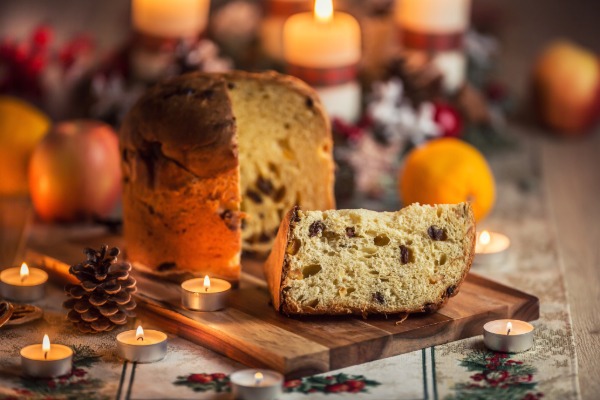
Italy: Panettone, Torrone & Festive Sweets
Panettone – A Sweet Giant
Originally from Milan, Panettone rose during the Renaissance and evolved from a simple bread to a luxurious holiday cake studded with raisins and candied fruits. It symbolises:
- Abundance - the rich ingredients once signalled prosperity
- Celebration - shared among families to mark moments of joy
- Rising fortune - its tall, dome-like “rise” represents luck and growth for the year ahead
Panettone is often gifted to neighbours, business partners, and family members as a token of goodwill.
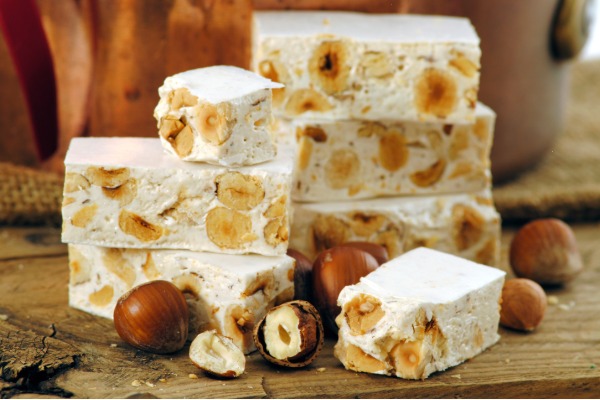
Torrone – Nougat of Strength
- Strength - almonds represent resilience and grounding
- Loyalty - often shared among family and close friends
- Sweetness in life - marking hope for a pleasant new year
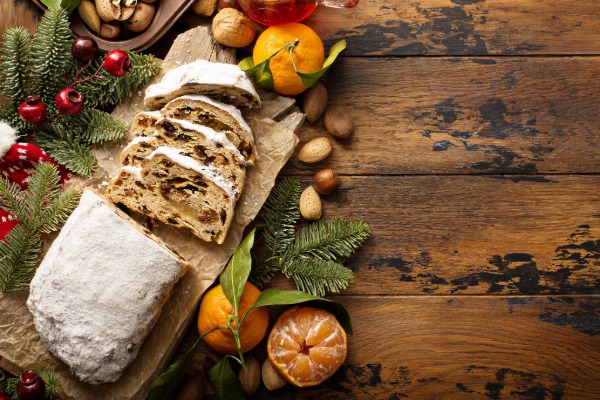
Germany: Stollen and Christmas Bread
Germany’s iconic Christstollen, dusted in white sugar, has been enjoyed for over 700 years. Originally a fasting bread, stollen evolved into a rich fruit loaf reflecting Christmas abundance.
- Warmth - comfort during the cold winter
- Divine protection - its shape traditionally represents the infant Jesus wrapped in cloth
- Winter blessings - sharing stollen is believed to bring good fortune to the home
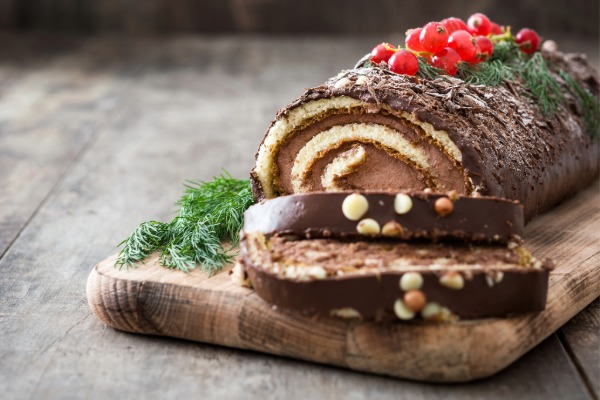
France: Bûche de Noël
- Renewal - the burning log marked the end of misfortune
- Light overcoming darkness - especially meaningful during long winter nights
- Protection - historically believed to safeguard the household for the year ahead
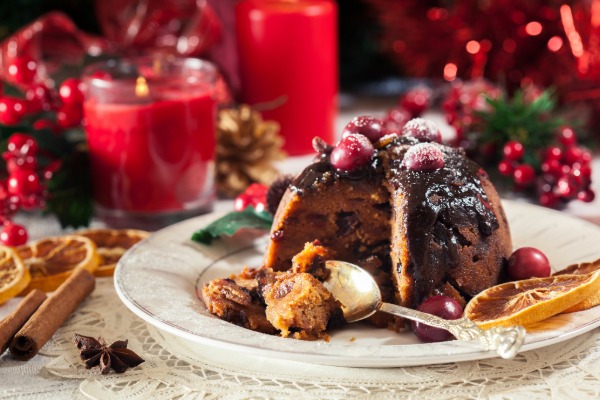
United Kingdom: Christmas Pudding
- Unity - every family member must stir
- Luck - charms foretell good things
- Protection - flaming the pudding was believed to ward off evil spirits
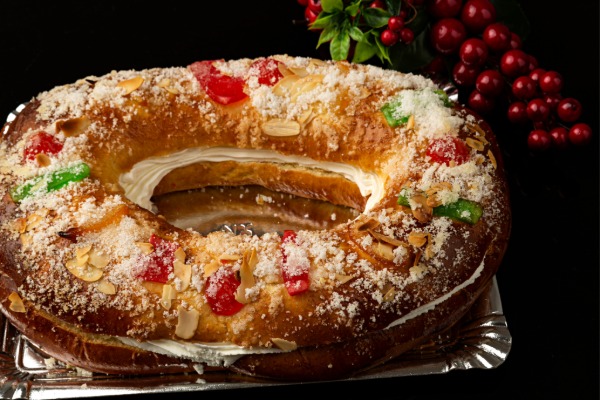
Spain: Roscón de Reyes
- Joy & festivity - its colourful candied fruit resembles the Kings’ jewels
- The arrival of the Three Kings - Spain’s primary gift-bringers
- Family unity - finding the hidden figurine brings luck (and hosting duties!)
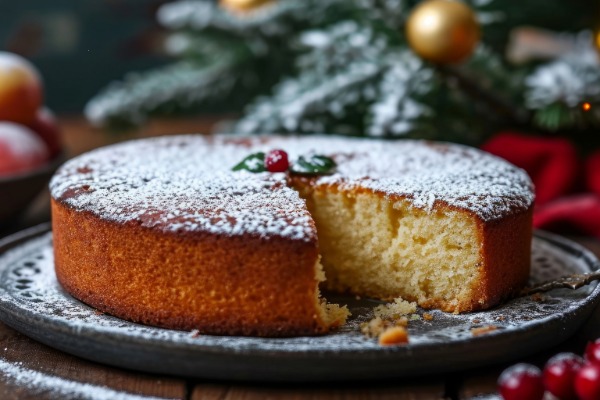
Greece: Vasilopita
- Fortune - whoever finds the coin is blessed
- Protection - linked to St Basil’s charitable miracles
- New beginnings - the first slice is always dedicated to the house
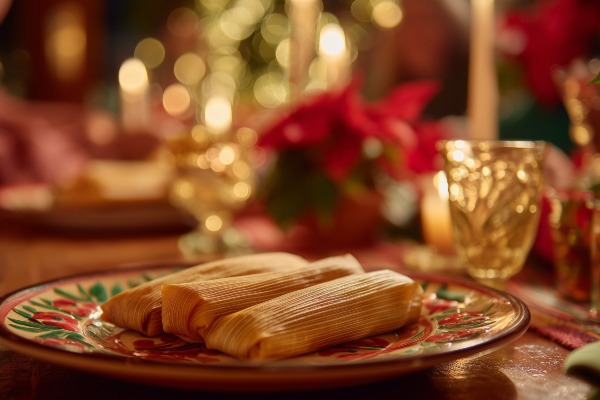
Tamales: Wrapped Gift of Heritage
- Cultural continuity
- Unity
- Family participation across generations
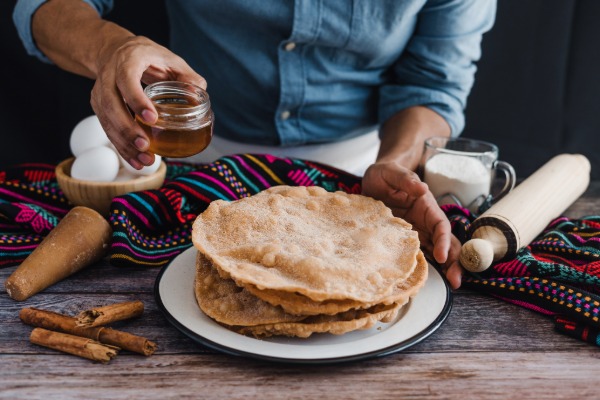
Buñuelos: Sweet New Beginnings
- Shattering old misfortunes
- Inviting a fresh start
These foods are gifted during Las Posadas, Christmas Eve, and New Year.

Japan: Strawberry Christmas Cake
- Purity - white cream symbolises innocence
- Joy - strawberries bring cheerful colour
- Simple happiness - widely enjoyed as a symbol of love and celebration
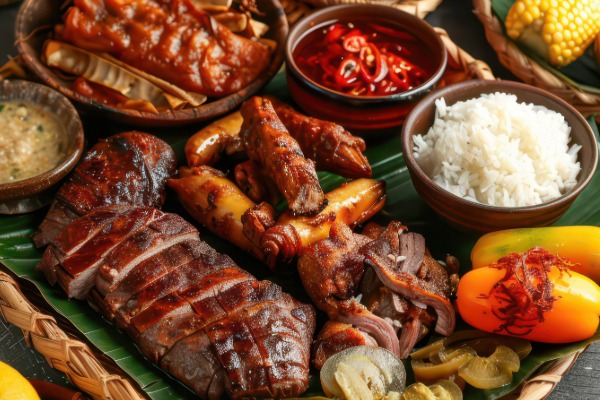
Philippines: Festive Feasting
- Abundance - tables overflowing with lechon, noodle and rice cakes
- Gratitude - food shared as a way to give thanks for the year's blessings
- Community - neighbours exchange dishes throughout the long Christmas season
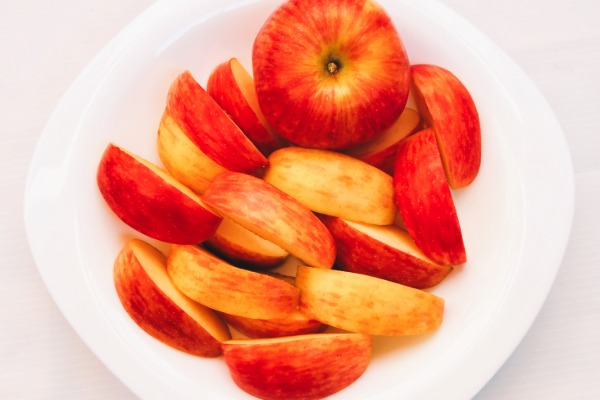
China: Peace Apples (Ping An Guo)
- Peace - “Ping” (apple) sounds like “Ping An” (peace)
- Calm - gifted in red wrapping for protection
- Prosperity - often exchanged on Christmas Eve
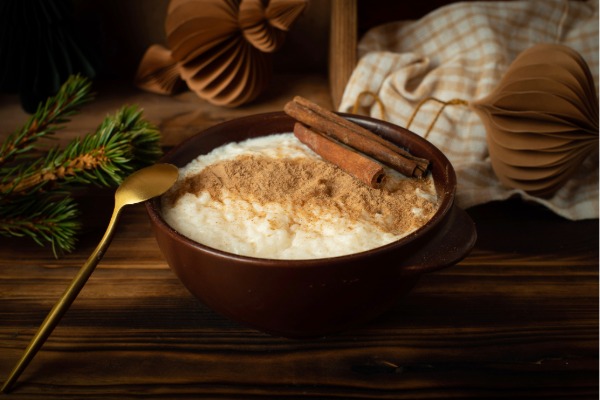
Scandinavia: Rice Porridge and the Nisse
- Protection for the home
- A good harvest
- Wellbeing for the family
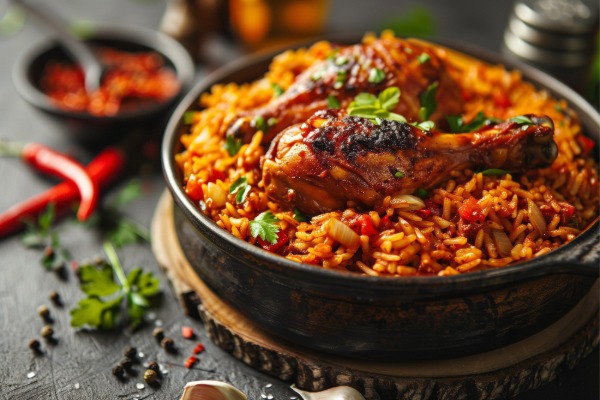
Africa: Regional Festive Foods
- Togetherness - food prepared as a communal effort
- Hospitality - meals shared with visitors and neighbours
- Celebration - dishes are generous, colourful and full of tradition

Pacific Islands: Feastings and Community Gifting
- Honour - food gifts show respect
- Unity - large feasts strengthen social bonds
- Cultural tradition - foods like taro, coconut dishes, and roasted meats carry ancestral meaning
Across cultures, festive foods carry meanings that transcend flavour. They are:
- Symbols of good fortune
- Carriers of heritage
- Expressions of gratitude
- Tokens of love and protection
- Invitations to celebrate together
Food remains one of the most meaningful forms of gifting because it touches every sense: taste, memory, comfort, and connection. Wherever Christmas is celebrated, festive foods remind us of one enduring truth: Sharing nourishment is sharing love.
At Allwag Promotions, we bring that same feeling to corporate gifting. Whether it’s a luxurious hamper, a set of tasty chocolates, a scented candle, or a cosy piece of homeware, our branded gifts capture the meaning behind the season while making your clients, colleagues and teams feel truly valued.
Take a look at our Corporate Christmas Gift Guide for inspiration and discover how easy it is to share the warmth and thoughtfulness of the festive season in a way that’s personal and meaningful.
Continue exploring our festive gifting series:
← Previous Guide |
Next Guide →


 0
0
 0
0



 01245 382600

