Global Gift-Giving Symbolism and Meanings

The power of colour in festive gifting

Colour is far more than decoration. Around the world, it communicates emotion, intention, and respect. In many cultures, the colours we choose for packaging, gifts and festive materials carry messages that are centuries old. Understanding colour symbolism transforms a simple present into a meaningful gesture, one that honours heritage, respects tradition,and strengthens relationships borders.

Below is a deep exploration of the global language of colour, numbers, wrapping traditions and cultural etiquette in gifting.

Red: A universal colour with many meanings

Red is one of the most globally significant festive colours, but its meaning varies widely.

In western countries red symbolises:

WarmthLove

  • Festivity
  • Christmas cheer
  • The energy of celebration
  • It is strongly linked with Santa Claus, holly berries and traditional Christmas décor

In China and much of East Asia, red carries a deeper meaning:

  • Luck
  • Prosperity
  • Joy
  • Vitality
  • Celebration

It is used in weddings, New Year and important life events. Red envelopes (hongbao) are symbols of fortune.

In Southern Europe & Latin America, red can imply romance, passion, or intimate affection. This makes it inappropriate for professional or formal gifting, unless balanced with neutral tones. 

Red Christmas gifts wrapped with ribbon, surrounded by pine cones and red berries on a festive background.

White: Pure in some cultures, mourned in others

White is one of the most culture-dependent colours in the world.

In Western Countries, white conveys:

  • Purity
  • Elegance
  • Simplicity
  • Snow and winter
  • Classic festive style

It pairs beautifully with gold or red for Christmas gifting.

In East Asian cultures (China, Japan and Korea), white alone conveys:

  • Funerals
  • Mourning
  • Spiritual transition 

When used without other colours, it may feel inappropriate or unlucky. However, white paired with red, gold, or green becomes festive and meaningful across Asia.

In Middle Eastern cultures, white symbolises peace, purity and spirituality. Which is generally positive, especially for home décor or textiles.

Indoor Christmas scene with a twinkling decorated tree and a lit pillar candle, creating a cosy holiday atmosphere.

Gold: Celebration, prosperity and achievement

Gold is one of the few colours that holds universally positive meaning.

Across many cultures, it represents:

  • Success
  • Celebration
  • Wealth
  • Divine light
  • Achievement
  • Joy

Perfect for:

  • Christmas
  • New Year
  • Milestone celebrations
  • Luxury gifting
  • Corporate or executive gifts

Gold packaging or accents elevate even simple gifts into something ceremonial.

Golden fireworks lighting up the night sky, celebrating New Year’s Eve 2026.

Black: Elegant in some cultures, taboo in other

Black is a sophisticated colour in the West, symbolising:

  • Luxury
  • Formality
  • Modernity

But in many cultures it carries strong negative symbolism.
Avoid black in:

  • Brazil
  • Mexico
  • much of Latin America
  • parts of Asia

In these regions, black is associated with mourning and may be considered inappropriate for festive gifting.

Black and silver wrapped gifts adorned with black bows, arranged for a stylish and elegant presentation.

Purple: Nobility, spirituality or sorrow

Purple carries some of the most layered cultural meanings.

In the West:
Purple is linked with:

  • Royalty
  • Nobility
  • Luxury
  • Creativity
  • Imagination

It can be a beautiful, uncommon festive colour.

In Italy, Brazil and parts of Latin America:
Purple is strongly tied to:

  • Mourning
  • Religious penance

Avoid purple wrapping or gifts during Christmas or celebrations in these regions.

Purple gifts wrapped with silver and white ribbons, arranged neatly for a festive display.

Green: Renewal, harmony and blessing

Green is globally connected to nature and new beginnings.

In Christmas traditions:
Green symbolises:

  • Evergreen trees
  • Endurance in winter
  • Renewal
  • Hope

In Islamic cultures:
Green holds deep spiritual significance, associated with blessing and paradise, but should be used respectfully.

In Ireland:
Green represents good fortune and heritage.

In China:
Traditionally associated with growth, but green hats symbolize infidelity.

Green gifts wrapped with matching green ribbons, arranged for a festive display.

Pink: Affection, joy and youthfulness

Pink is widely perceived as:

  • Cute
  • Cheerful
  • Affectionate
  • Youthful

Regional nuances:

  • In Japan, pink symbolises blossoms and hope
  • In India, pink represents hospitality and celebration
  • In Western cultures, pink is warm and friendly for light-hearted gifts

Pink gifts decorated with candy canes and star-shaped accents, arranged for a festive holiday display.

Blue: Trust, peace and spirituality

Blue evokes:

  • Tranquillity
  • Reliability
  • Winter skies
  • Serenity

In Jewish communities:
Blue and silver are associated with Hanukkah

In Greece:
Blue offers protection against the “evil eye”

In China:
Blue can be associated with immortality and immortals

White gifts adorned with blue silk ribbons, elegantly arranged for a festive display.

Orange: Opimism and celebration

Common meanings:

  • Enthusiasm
  • Positivity
  • Warmth

In China:
Oranges and tangerines are symbols of wealth, excellent New Year gifts.
In Northern Europe:
Orange can evoke nostalgic warmth, like clove-studded oranges used in Christmas décor.

Orange gifts decorated with festive baubles, arranged for a cheerful holiday display.

Numbers that speak: Cultural numerology of gifting

Numbers carry meaning far beyond mathematics. Understanding them shows cultural intelligence and respect.

Unlucky numbers

  • 4 - unlucky in China, Japan and Korea (sounds like “death”)
  • 17 - considered unlucky in Italy
  • 9 - unlucky in Japan when pronounced “ku” (symbolises suffering)

Lucky numbers

  • 8 - extremely lucky in Chinese culture (wealth, success)
  • 7 - lucky in many cultures around the world
  • 6 - smoothness and good flow in China
  • 3 - harmony and completeness
  • 2 - partnership, balance and unity across East Asia

When giving sets, pairs or bundles, these numbers can significantly influence the perception of the gift.

The art of wrapping: A global story of care

Wrapping is not universal, but where it exists, it reflects sincerity, respect and intention. It communicates emotion before the gift is even opened.

Japan: The art of furoshiki

Furoshiki are beautifully patterned cloths used for wrapping gifts.
They symbolise:

  • Eco-consciousness
  • Craftsmanship
  • Elegance
  • The giver’s care
  • The importance of presentation

The cloth itself becomes part of the gift.
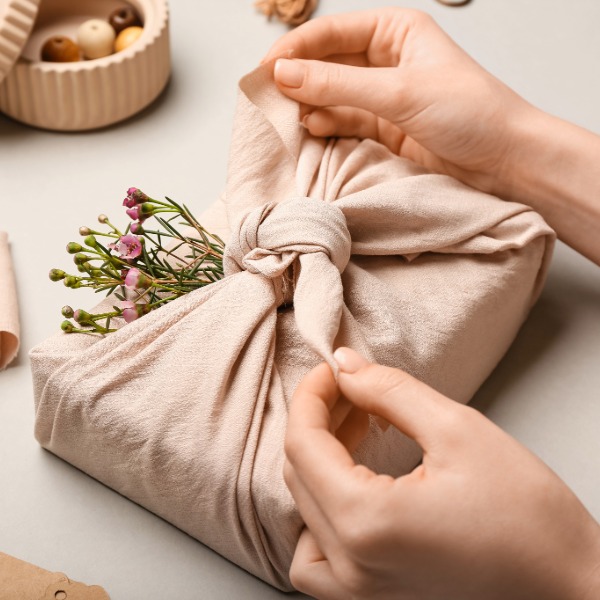
Gift wrapped using the Japanese furoshiki technique, with fabric neatly tied into a decorative knot.

Korea: Bojagi and the belief in blessings

Bojagi cloths, often embroidered or handmade, symbolise:

  • Protection
  • Good fortune
  • Honour
  • Prosperity

They were historically used to wrap valuables and now elevate any gift into a cultural treasure.
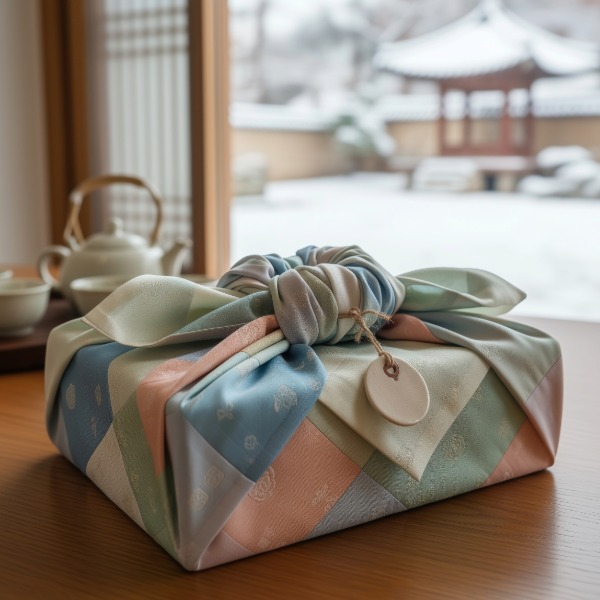
Gift wrapped in a traditional Korean bojagi cloth, with the fabric elegantly folded and tied into a decorative knot.

Western countries: Joy through presentation

Victorian Britain popularised modern wrapping paper, ribbons and tags.

Today wrapping symbolises:

  • Celebration
  • Surprise
  • Joy 
  • Tradition

Metallic, festive and patterned themes mark the season.

Gift wrapped in silver paper and tied with a smooth satin ribbon, arranged for an elegant presentation.

Latin America: Colour, celebration and energy

Bright, energetic wrapping expresses:

  • Abundance
  • Joy
  • Festive spirit

Wrapping reflects cultural vibrancy and family celebration.

Bright red and yellow gift wrapped with a shiny gold ribbon, creating a festive and cheerful presentation.

Africa: Baskets, weaving and cultural artistry

Baskets, mats and textiles represent:
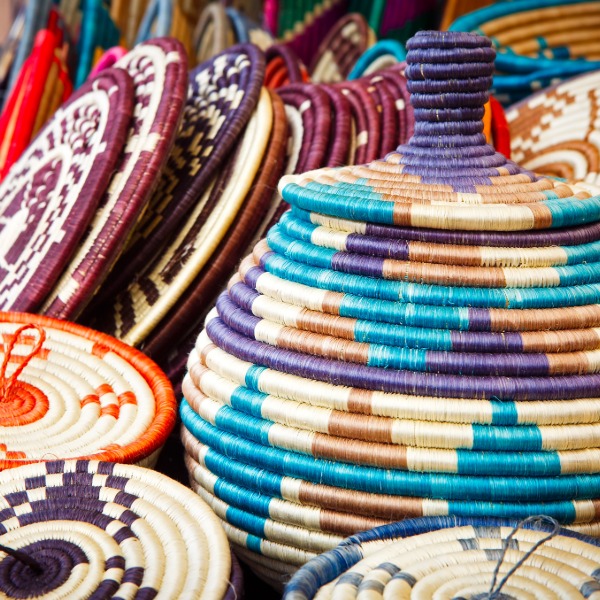
  • Craftsmanship
  • Heritage
  • Sustainability

Handwoven African baskets with intricate patterns, showcasing traditional craftsmanship and natural materials.

Faith, culture and sensitivity in gifting

Respecting religious and cultural backgrounds is essential for meaningful gifting.

Christian communities

Gifts often express:

  • Love
  • Charity
  • Family connection
  • Celebration

Stained glass depiction of Mary, Joseph, and baby Jesus in a nativity scene, featuring vibrant colours and intricate details.

Jewish communities: Hanukkah

Gifting may include:

  • Symbolic items
  • Food gifts
  • Tokens of light

Blue, silver and white are culturally meaningful.

Menorah candle lit, part of a Hanukkah celebration, glowing warmly against a festive backdrop.

Muslim communities

Avoid:

  • Alcohol
  • Pork
  • Religious imagery
  • Non-halal foods

Respect modesty and halal guidelines.

Decorative lights often used in Muslim celebrations, glowing warmly to create a festive and spiritual atmosphere.

Hindu communities

Avoid:

  • Leather
  • Cowhide

Choose:

  • Colourful gifts
  • Sweets

Hindu jewelry displayed alongside red gift boxes, highlighting intricate designs and festive presentation.

Buddhist communities

Favour simplicity and thoughtful modest gifts.

A lotus flower symbolizing purity and enlightenment in Buddhism, depicted in a serene and spiritual style.

Presentation etiquette: the hidden language of giving

The way a gift is presented can be as meaningful as the gift itself.

Global principles:

  • Offer with both hands in East Asia as a sign of respect
  • Express gratitude before opening in the West
  • Open gifts later in Japan (not in front of the giver)
  • Elegant presentation in France/Italy 
  • Joyful opening in Spain & Latin America 
  • Avoid extravagance in the UK, where modesty is appreciated
  • Show warmth and enthusiasm in Latin America

The golden thread: what all cultures share

Despite cultural differences, one truth remains:
Gift-giving is an act of connection.

Across the world:

  • We wrap
  • We prepare
  • We give with intention
  • We celebrate meaning

From Icelandic Yule Lads to Mexican Las Posadas to German Nikolaustag, every tradition shares the message:

“We care. We remember. You matter.”

This universal message is also at the heart of the Allwag Festive Gift Guide.

Across countries and cultures, gifting is never just the exchange of objects; it is the sharing of meaning, appreciation and connection. And in the world of branded corporate gifting, these values matter more than ever.

At Allwag Promotions, we understand that a branded gift carries more than a logo. It carries your organisation’s identity, its respect for cultural appreciation, and its understanding of the people you give to, whether employees, partners, clients, or communities around the world.

A meaningful gift is defined by:

  • the symbolism behind the colours you choose
  • the cultural awareness reflected in your selections
  • the thoughtful presentation
  • and the intention to strengthen relationships

The Allwag Festive Gift Guide brings all of this together, helping you choose branded gifts that honour global traditions, resonate across cultures and carry the message at the heart of every celebration, that you matter

By blending cultural insight with professional branding, Allwag makes sure that every festive gift becomes a shared language of appreciation. 

The story doesn’t end here. Follow us through the rest of our festive series as we meet global gift-bringers, explore the tastes of global festive foods and uncover the customs that shape celebrations worldwide.


Continue exploring our festive gifting series:

← Previous Guide   |   Next Guide →

Success

THIS IS A TOAST

Error

THIS IS A TOAST