Myths and legends have always been at the heart of the festive season. Long before fairy lights, wrapping paper, or commercial Santa arrived, people across the world turned to storytelling to explain the mysteries of winter. These tales comforted children, guided moral behaviour, protected households and brought light to the darkest months of the year.
Across Europe, Asia, and beyond, winter folklore is rich with magical beings, some kind, some mischievous and some downright terrifying, all offering a window into how cultures understand generosity, discipline, nature, and renewal.
Here are some of the most iconic legends that influence modern Christmas traditions.
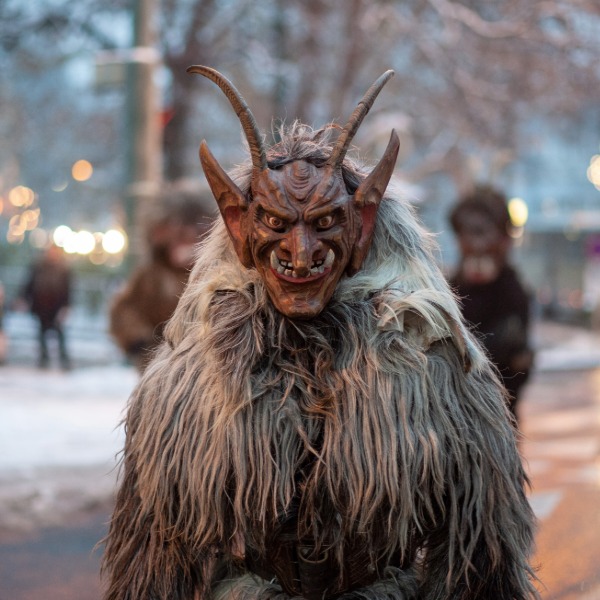
In the Alpine regions of Austria, Bavaria, and Slovenia, Christmas has a dark counterpart: Krampus, a horned, goat-like creature with chains and a long tongue who roams the streets during Krampusnacht (December 5).
 | Cultural significance
|
Today, Krampus parades with hand-carved masks, bells, and torches remain dramatic and beloved traditions.
Iceland’s fearsome Jólakötturinn, or Yule Cat, is said to prowl the countryside at Christmas and hunt anyone who didn’t receive new clothes for the season.
This tale encouraged diligence during winter’s wool production season.
Why this legend mattersThe story originates from Iceland’s historical wool production culture. Families needed to prepare all winter clothing before the darkest months, and the legend encouraged:
The Yule Cat also ties into Iceland’s larger folklore, which includes trolls, elves and the 13 Yule Lads, another set of mischievous Christmas figures. | 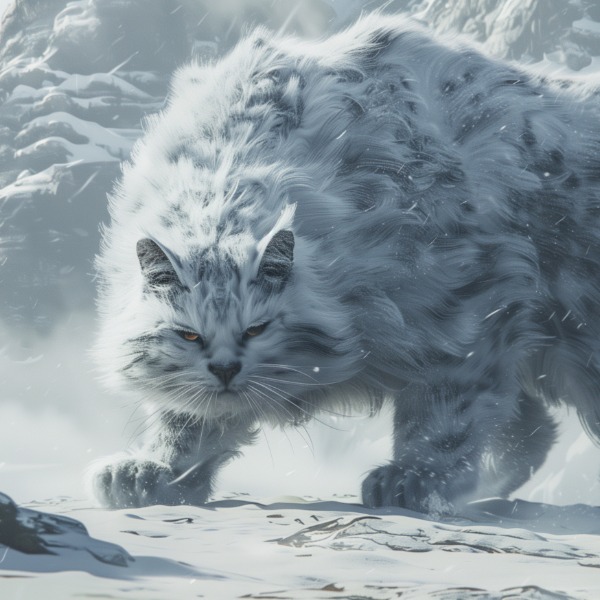 |
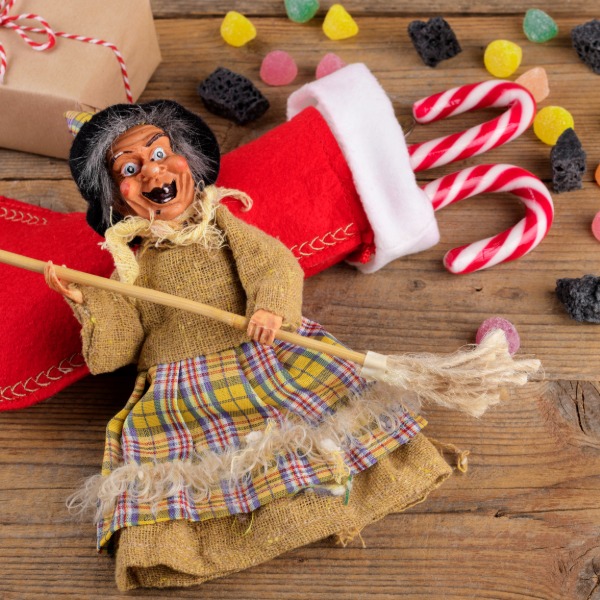
While many countries celebrate gift-giving on Christmas Eve or Christmas Day, Italy has a second gift-bringer: La Befana, the kindly old woman who flies on her broomstick on the night of January 5, leaving gifts for good children on Epiphany morning.
According to legend, the Three Wise Men asked La Befana for directions to find the baby Jesus. Though she declined to join them, she later regretted it and began her own search, leaving gifts for children in hope of finding the holy child.
 | SymbolismLa Befana represents:
Unlike Krampus or other darker figures, she is comforting and beloved, often leaving:
|
In Norway, Denmark, and Sweden, the winter season is watched over by Nisse (Norway/Denmark) and Tomte (Sweden), small gnome-like beings who guard farms, barns, and households.
If treated respectfully, they ensure a safe winter, thriving livestock, and good luck. If neglected or insulted, they may play tricks or even cause misfortune.
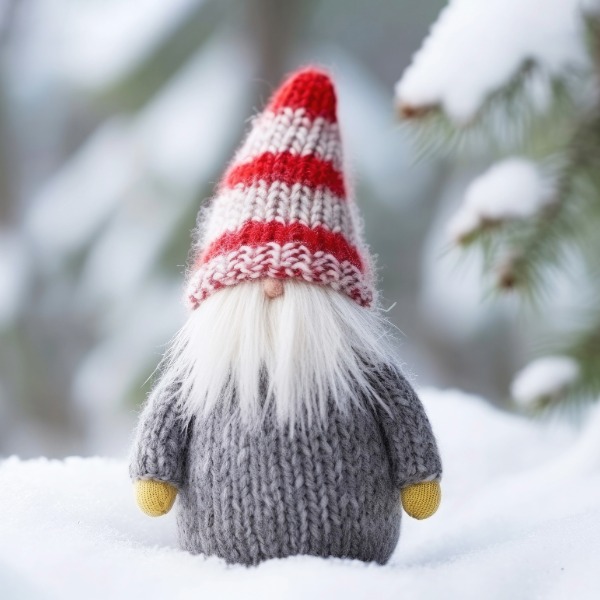 | Their Christmas roleChildren leave a bowl of rice porridge with butter on Christmas Eve to keep the Nisse happy.
They symbolise:
|
Their imagery influenced the modern Scandinavian Santa Claus.
A tall, elegant, wizard-like winter spirit who brings gifts on New Year’s Eve instead of Christmas.
Unlike Santa, Ded Moroz travels on foot or by troika (a sleigh pulled by three horses) and is often accompanied by his granddaughter, Snegurochka (The Snow Maiden).
Ded Moroz evolved from ancient frost spirits, winter gods and old survival tales born from harsh climates. As a figure, he symbolises the power of winter, respect for nature and the resilience needed to endure it. Today, he remains a central and cherished part of Eastern European New Year celebrations.
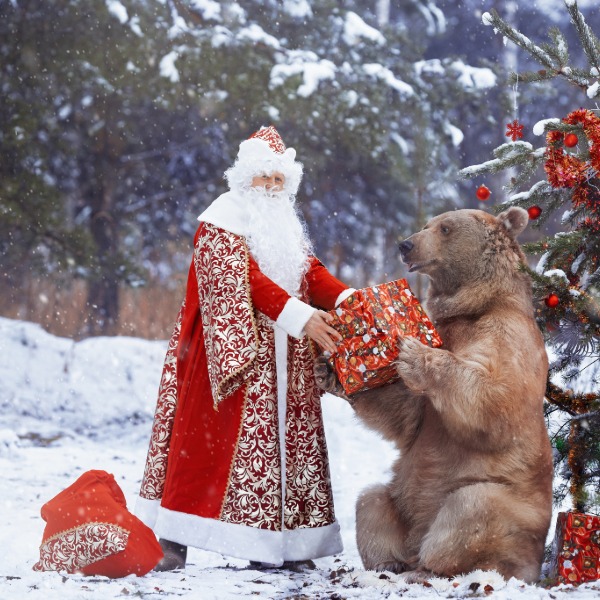 | A tall, elegant, wizard-like winter spirit who brings gifts on New Year’s Eve instead of Christmas. Unlike Santa, Ded Moroz travels on foot or by troika (a sleigh pulled by three horses) and is often accompanied by his granddaughter, Snegurochka (The Snow Maiden).
Ded Moroz evolved from ancient frost spirits, winter gods and old survival tales born from harsh climates. As a figure, he symbolises the power of winter, respect for nature and the resilience needed to endure it. Today, he remains a central and cherished part of Eastern European New Year celebrations. |
The Holly King and the Oak King are mythical brothers whose ongoing battle represents the turning of the seasons. The Holly King reigns over the dark half of the year, while the Oak King rules the lighter summer months. Their eternal struggle symbolises the cycle of light and darkness, death and rebirth and the return of the sun after the winter solstice. | 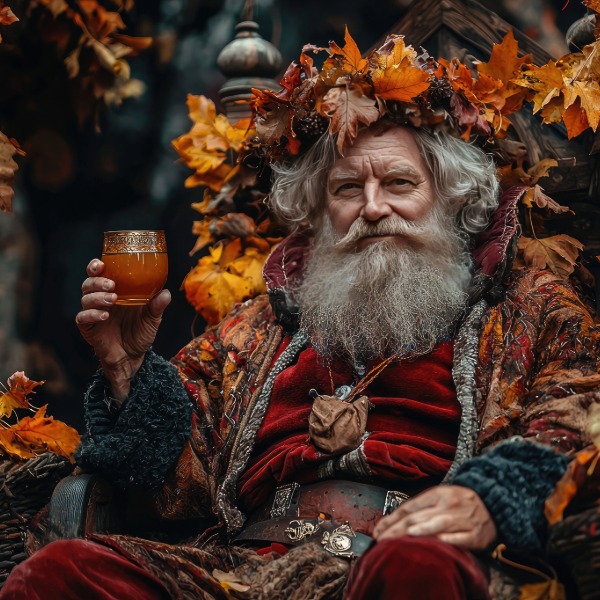 |
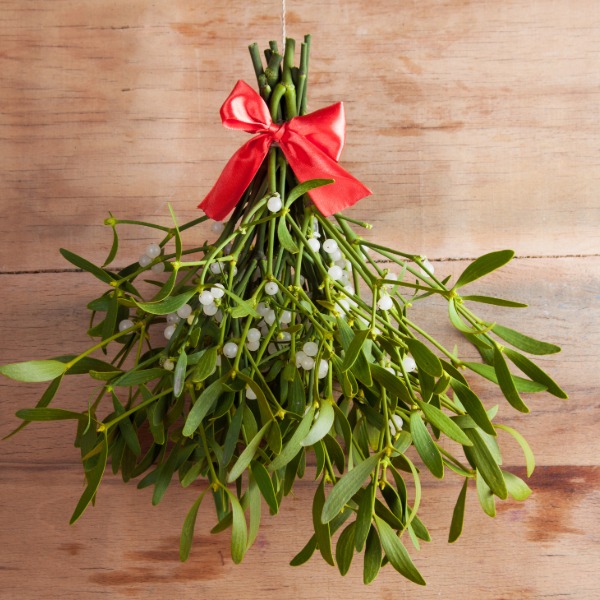 | For the Celts, mistletoe was a sacred plant symbolising peace and offering protective magic. This deep ancient reverence is what eventually inspired the modern tradition of kissing under the mistletoe. |
Yule fires were vast midwinter bonfires lit to drive out evil spirits, welcome the sun’s return and symbolise warmth, hope and community. Many modern Christmas lighting traditions trace their origins back to these ancient rituals. | 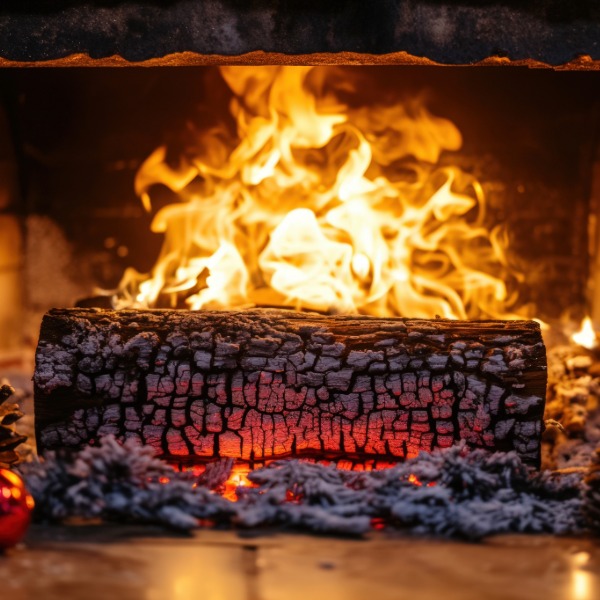 |
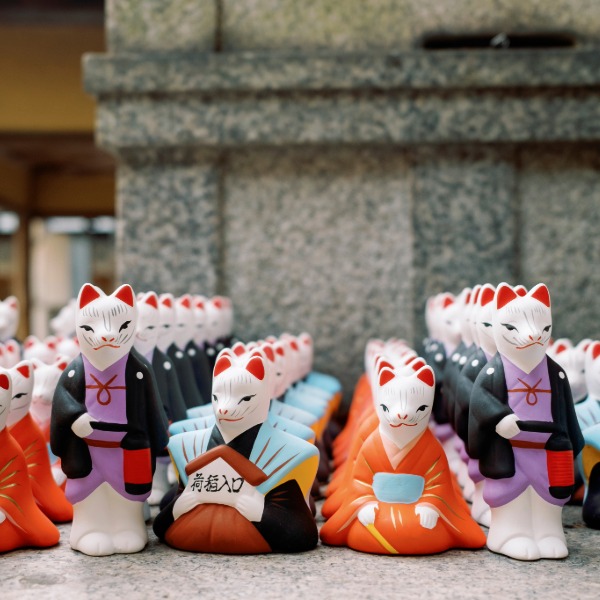 | Japan’s winter folklore is full of striking, eerie characters with deep meaning. Kitsune, or fox spirits, are magical shape-shifters who can bring luck, prosperity and protection, but if treated badly, they might play tricks. People would leave offerings to stay on their good side. Yuki-onna, the Snow Woman, appears in snowstorms, sometimes as a protector, sometimes as a dangerous omen, symbolising both the beauty and harshness of winter. These stories remind us to respect winter’s unpredictability and to be kind to travellers and strangers. |
Wrapping has evolved from protective cloths to decorative paper. Originally cloths were used as symbolic protection and respect. Cloth wrapping symbolising elegance, intention and ecology in Japan they were tied in special knots depending on the occasion. Wrapping cloths meant to bring good fortune, often handmade with embroidery. However, as part of the Western revolution, printed wrapping paper was introduced in the 1800s but was still tied with ribbons to symbolize giving good fortune wrapped within the gift. Decorated boxes also began to appear. In the 20th century, commercial wrapping became popular, with department stores offering their services to customers, which popularised lavish presentation and wrapping became a core part of the gifting ritual. Today in our environmentally conscientious world, modern eco wrapping is very popular with reusable cloths, natural fibres, recycled paper and boxes, as well as a real shift towards sustainability and minimalism.
Wrapping transforms simple gifts into stories of love, thoughtfulness, and cultural identity, making it a perfect complement to guides like Allwag Gift Guide and other Christmas gift recommendations, where presentation is as meaningful as the gift itself.
Browse through our other festive guides in the series in our Christmas blog.
 |
THIS IS A TOAST |
 |
THIS IS A TOAST |


 0
0
 0
0



 01245 382600