
 0
0
 0
0



 01245 382600
Pride Merchandise for Businesses: Creating Inclusive Campaigns That Matter in 2026
Pride merchandise has evolved far beyond rainbow logos and one-month campaigns.
Today, organisations are increasingly recognising that inclusion shouldn’t be limited to June, it should be embedded into workplace culture, community partnerships and brand values all year round.
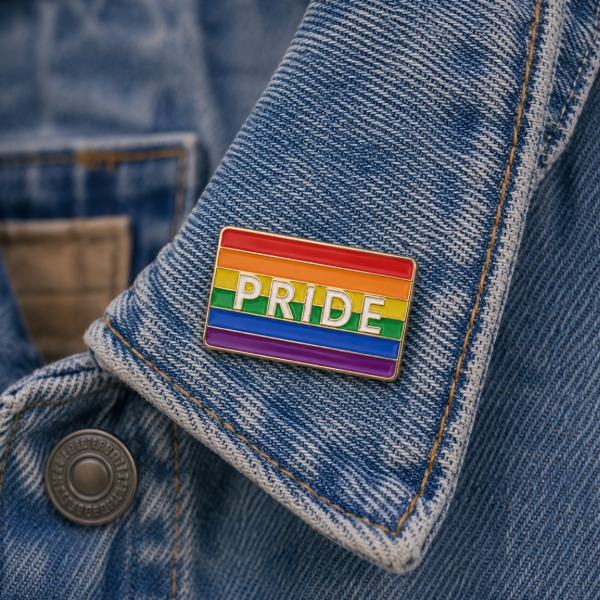
That shift is changing how businesses approach Pride campaigns and branded merchandise. Modern Pride merchandise is no longer simply about visibility. It’s about authenticity, inclusivity, sustainability and meaningful support.
From sustainable Pride apparel and event merchandise to inclusive employee engagement campaigns and charity partnerships, organisations are looking for ways to show support that feels genuine rather than performative.
In this guide, we explore:
- What Pride merchandise for businesses includes
- Why authenticity matters more than ever
- How brands can avoid rainbow-washing
- Sustainable and inclusive merchandise ideas
- How to create Pride campaigns that align with long-term company values
What Is Pride Merchandise for Businesses?
Pride merchandise includes branded promotional products, apparel, event materials and giveaways designed to support and celebrate LGBTQ+ inclusion.
Common examples include:
- Pride T-shirts and hoodies
- Rainbow tote bags
- Inclusive onboarding packs
- Branded Pride flags
- Sustainable giveaways
- Event signage and accessories
- Charity-linked merchandise campaigns
- Pride-themed drinkware and lanyards
When approached thoughtfully, Pride merchandise can support:
- employee engagement
- event visibility
- workplace inclusion
- community partnerships
- charity fundraising
- DEI initiatives
Importantly, the most effective campaigns are those connected to wider inclusion efforts throughout the year — not just during Pride Month.
Why Pride Campaigns Matter Beyond June
June remains an important symbolic moment because Pride Month commemorates the Stonewall Uprising of 1969, a pivotal event in LGBTQ+ rights history.
But many organisations and communities are now moving towards a broader conversation: Inclusion shouldn’t begin and end with a calendar month.
Employees, students and consumers increasingly expect brands to demonstrate consistent inclusion, authentic values, long-term commitment, visible allyship, and meaningful action.
That means Pride campaigns are becoming less about seasonal marketing, and more about ongoing culture. For many organisations, Pride merchandise now forms part of wider:
- DEI programmes
- wellbeing initiatives
- employee engagement
- ESG commitments
- inclusive workplace strategies
Why Authenticity Matters in Pride Marketing
Audiences today are highly aware of performative marketing. Simply changing a logo to rainbow colours during June is no longer enough on its own.
People increasingly want to see:
- meaningful action
- inclusive workplace policies
- genuine partnerships
- charitable support
- year-round inclusion
Research consistently shows consumers are more likely to support brands that demonstrate authentic values and social responsibility.
That’s why successful Pride campaigns start internally first.
Building Pride Campaigns Around Real Inclusion
Before launching Pride merchandise or external campaigns, organisations should consider:
- Do internal policies support LGBTQ+ employees?
- Is inclusion embedded into workplace culture?
- Are DEI commitments visible year-round?
- Are campaigns being created collaboratively and respectfully?
When external messaging aligns with internal culture, campaigns feel far more authentic.
This is especially important for: universities, public sector organisations, charities, corporate employers, and student-facing organisations.
How Businesses Can Avoid Rainbow-Washing
“Rainbow-washing” refers to brands publicly supporting Pride visually without meaningful action behind the campaign. Avoiding this doesn’t require huge budgets, but it does require intentionality.
Effective approaches may include:
- partnering with LGBTQ+ charities
- donating a percentage of merchandise profits
- supporting community initiatives
- spotlighting employee voices
- creating year-round inclusion programmes
- using sustainable and ethical merchandise
The strongest campaigns are audience-led rather than brand-led.
Pride Merchandise Ideas for Businesses in 2026
Sustainable Pride Tote Bags
Reusable Pride tote bags remain one of the most popular options for universities, conferences, Pride events, onboarding campaigns, and employee gifting.
Recycled cotton bags combine:
- practicality
- sustainability
- visibility
- long-term use
And because they’re reused repeatedly, they generate ongoing brand exposure long after events end.
Pride Apparel
Branded Pride clothing remains one of the most visible ways organisations participate in Pride events and inclusion campaigns (T-shirts, hoodies, caps, jackets, accessories).
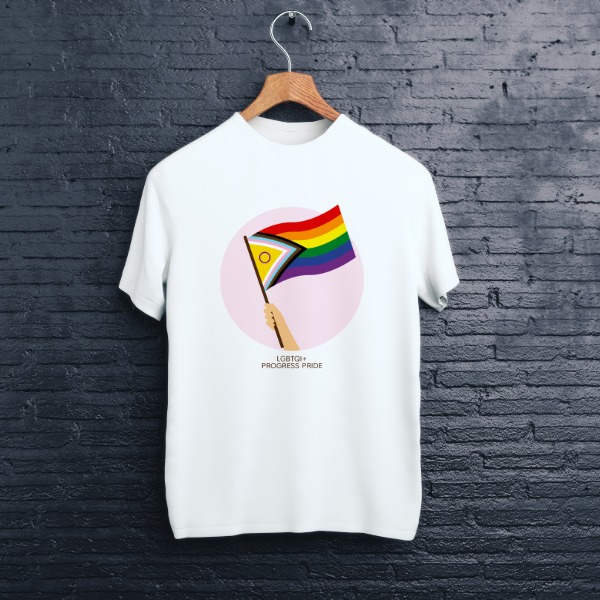
Key considerations include:
- inclusive sizing
- unisex fits
- thoughtful design
- respectful logo placement
- high-quality garments people genuinely want to wear
Flags & Event Signage
Pride flags remain one of the most recognisable symbols of LGBTQ+ inclusion, working particularly well for campus events, workplace displays, parades, conferences, and awareness campaigns.
Many organisations now also explore:
- recycled paper flags
- reusable signage
- lower-impact event materials
to align campaigns with wider sustainability goals.
Inclusive Employee & Event Packs
Many organisations are now creating Pride-themed welcome packs and event kits that include drinkware, notebooks, apparel, badges, sustainable giveaways, and wellbeing items.
These can support:
- employee engagement
- onboarding
- internal events
- university campaigns
- community outreach
Sustainability & Pride Merchandise
Increasingly, organisations want Pride campaigns to align with environmental responsibility too. This has driven demand for recycled cotton products, organic apparel, FSC-certified print, reusable merchandise, and plastic-free packaging.
Research shows younger audiences especially value sustainability alongside inclusion and social responsibility.
Why Merchandise Still Matters
Branded merchandise works because it creates visibility and shared participation. Thoughtfully designed Pride products can help spark conversations, build community, reinforce inclusion, support employee belonging, and create memorable event experiences.
And when products are practical and high quality, they continue extending campaign visibility long after Pride events end.
Choosing the Right Pride Merchandise Supplier
When selecting a Pride merchandise supplier, look for:
- ethical sourcing
- sustainable product options
- inclusive design understanding
- transparent production practices
- experience supporting universities and organisations
- flexibility around charity-linked campaigns
Why Choose Allwag for Pride Merchandise?
At Allwag, we help organisations source Pride merchandise that balances inclusivity, sustainability, quality, visibility, and authenticity. We support campaigns with sustainable products, branded apparel, event signage, recycled giveaways, flags, packs, and event fulfilment.
Because every organisation approaches inclusion differently, we work collaboratively to help create campaigns that align with your culture, audience and values.
FAQs About Pride Merchandise for Businesses
What are the most popular Pride promotional products?
Popular options include Pride apparel, reusable tote bags, flags, drinkware, lanyards, badges, and sustainable giveaways.
How can businesses avoid rainbow-washing?
By ensuring campaigns are backed by meaningful inclusion efforts, authentic messaging and ideally ongoing support beyond Pride Month.
Can Pride merchandise be sustainable?
Yes. Many organisations now choose recycled cotton apparel, FSC-certified print, reusable drinkware, eco-friendly packaging, and sustainable sourcing options.
Should Pride campaigns only happen during June?
June remains an important awareness moment, but many organisations now focus on year-round inclusion rather than limiting support to a single month.
Is Pride merchandise appropriate for workplaces and universities?
Yes — when campaigns are inclusive, respectful and aligned with wider organisational values and culture.

