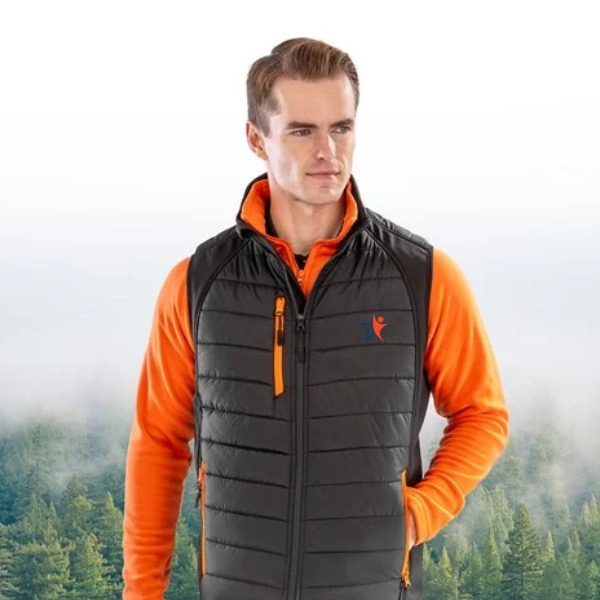
Sustainable Promotional Clothing: The Complete Guide to Eco-Friendly Branded Apparel
10/03/2026 16:31:33
Sustainable promotional clothing: The complete guide to eco-friendly branded apparel | Allwag
Sustainable promotional clothing: The complete guide to eco-friendly branded apparel
Promotional clothing has long been one of the most effective forms of branded merchandise. From uniforms and event apparel to trade show giveaways and corporate gifts, branded clothing acts as a mobile advertisement, increasing visibility wherever it is worn.
According to research from the British Promotional Merchandise Association (BPMA) and global promotional product studies, wearable promotional items are among the most retained and frequently used promotional products, with recipients keeping apparel items for over 14 months on average.
However, as sustainability becomes a major priority for businesses and consumers alike, organisations are increasingly choosing sustainable promotional clothing that aligns with environmental, social and governance (ESG) commitments.
In this guide we explore:
- What sustainable promotional clothing is
- Why eco-friendly branded apparel matters
- The best sustainable materials for promotional clothing
- How businesses can implement sustainable merchandise strategies
- The measurable business benefits of sustainable branded apparel
What is sustainable promotional clothing?
Sustainable promotional clothing refers to branded apparel produced using environmentally responsible materials, ethical labour practices and lower-impact production methods.
Common examples include:
- Clothing made from recycled fibres
- Apparel using organic cotton
- Fairtrade certified garments
- Clothing printed using water-based inks
- Durable garments designed for long-term use
Unlike conventional fast-fashion style merchandise, sustainable promotional apparel focuses on longevity, responsible sourcing and reduced environmental impact.
Why sustainable branded apparel matters
The demand for sustainable products continues to grow across all sectors. Key global statistics highlight this shift:
- 73% of consumers say they would change their purchasing habits to reduce environmental impact (Nielsen Global Sustainability Report).
- The fashion industry accounts for roughly 10% of global carbon emissions (UN Environment Programme).
- Around 92 million tonnes of textile waste are produced globally each year (Ellen MacArthur Foundation).
Because promotional clothing forms part of the wider textile industry, brands are increasingly recognising the importance of choosing responsible materials and production methods. By adopting sustainable promotional clothing, organisations can:
- Reduce environmental impact
- Demonstrate ethical supply chain commitments
- Support ESG reporting and sustainability targets
- Strengthen brand reputation
- Increase customer trust and loyalty
Common uses for promotional clothing
Promotional clothing is used across many industries because it combines practicality with long-term marketing visibility. Typical applications include:
- Staff uniforms
- Trade show giveaways
- Corporate gifts
- Event merchandise
- Club or team apparel
- Charity campaigns and fundraising events
- Safety clothing and high-visibility workwear
Because these garments are worn repeatedly, they can generate thousands of brand impressions throughout their lifetime.
How to create a sustainable promotional clothing strategy
Building sustainability into branded apparel requires thoughtful planning.
1. Audit your existing merchandise
Start by reviewing your current promotional clothing to understand materials used, manufacturing locations, production methods, and packaging/logistics impact.
2. Set clear sustainability goals
Examples may include increasing recycled materials usage, reducing packaging waste, supporting ethical supply chains, and introducing circular take-back programmes.
3. Choose durable garments
High-quality garments last longer and encourage continued use, reducing waste while maximising brand exposure.
4. Use responsible branding techniques
Printing and decoration methods also influence sustainability. Consider options such as water-based inks, low-impact embroidery, and digital printing technologies.
5. Engage internal stakeholders
Collaboration between marketing, procurement, sustainability and operations teams ensures promotional campaigns align with wider corporate sustainability goals.
Sustainable materials used in promotional clothing
Choosing the right materials is one of the most effective ways to reduce the environmental footprint of branded apparel. Below are several widely used sustainable textile options.
Recycled materials in promotional clothing
Recycled fabrics are created using post-consumer or post-industrial waste materials, transforming them into new fibres. Common recycled fibres include recycled polyester (often made from plastic bottles), recycled cotton, wool, nylon, and leather.
Benefits include:
- Reduced waste: Recycled textiles divert waste from landfill and reduce demand for virgin raw materials.
- Lower resource consumption: Producing recycled fibres often uses less water and energy compared with producing new fibres.
- Reduced carbon emissions: Recycling materials helps reduce the greenhouse gas emissions associated with textile production.
Examples of recycled apparel include:
Circular fashion and upcycling
Upcycling is another sustainable approach where existing garments or textiles are transformed into new products, extending the life of materials. Circular initiatives are becoming increasingly important as organisations move toward zero-waste strategies.
For example, Allwag’s ReturnityUK scheme provides a traceable take-back programme that helps transform surplus branded merchandise into environmental and social value while reducing landfill waste.
Organic cotton promotional clothing
Organic cotton is grown without synthetic pesticides, herbicides or fertilisers. Benefits include improved soil health, reduced chemical pollution, lower water contamination, and safer working conditions for farmers.
Tiger Cotton is an initiative aimed at transitioning conventional cotton farms to organic agriculture, helping protect biodiversity and farmer livelihoods.
Fairtrade promotional clothing
Fairtrade certification ensures that clothing is produced under ethical labour conditions with fair wages and safe working environments. Fairtrade apparel supports sustainability by providing fair income for farmers, ensuring safe working conditions, and promoting responsible supply chains.
Sustainable branding methods: water-based inks
Decoration methods also influence the environmental footprint of promotional clothing. Water-based inks are widely considered a more environmentally responsible alternative to plastisol inks.
Benefits include being free from PVC and phthalates, lower emissions of volatile organic compounds (VOCs), and reduced exposure to harmful chemicals. These inks produce high-quality prints while reducing environmental impact.
The business benefits of sustainable promotional clothing
Investing in sustainable branded apparel delivers several commercial advantages:
- Stronger brand reputation: Consumers increasingly favour businesses that demonstrate environmental responsibility.
- Long-term marketing value: High-quality garments are worn repeatedly, providing ongoing brand exposure.
- ESG and sustainability reporting: Sustainable merchandise supports corporate sustainability targets and ESG commitments.
- Reduced waste and replacement costs: Durable garments reduce the need for frequent replacement.
Why choose Allwag for sustainable promotional clothing
Allwag provides a wide range of sustainable branded clothing solutions designed to balance marketing impact with environmental responsibility. Our approach includes recycled and organic apparel options, Fairtrade certified garments, responsible sourcing, durable clothing, and circular initiatives such as ReturnityUK. This helps organisations align promotional merchandise with sustainability, brand reputation, and ESG commitments.
Frequently asked questions about sustainable promotional clothing
What makes promotional clothing sustainable?
Sustainable promotional clothing uses environmentally responsible materials such as recycled fibres or organic cotton, ethical production practices and durable garment design to reduce environmental impact.
Are sustainable promotional garments more expensive?
While some sustainable garments may have slightly higher initial costs, their durability and longer lifespan often provide better long-term value and marketing return.
What materials are best for eco-friendly branded clothing?
Common sustainable materials include recycled polyester, organic cotton, Fairtrade cotton, and recycled blends.
Does sustainable promotional clothing help ESG reporting?
Yes. Sustainable merchandise supports corporate sustainability goals and ESG reporting frameworks, particularly around supply chain responsibility and waste reduction.
Final thoughts: the future of sustainable promotional apparel
Sustainable promotional clothing represents a powerful opportunity for brands to combine marketing effectiveness with environmental responsibility. By choosing recycled fabrics, organic cotton, ethical supply chains and environmentally responsible printing methods, organisations can create promotional campaigns that reflect modern consumer expectations.
As sustainability continues to influence purchasing decisions worldwide, eco-friendly branded apparel will play an increasingly important role in responsible brand marketing and corporate sustainability strategies.




 0
0
 0
0



 01245 382600